Table of Contents
- Vermont Home Selling
- Which Areas in Vermont Offer the Best Return on Investment and Are Easiest for Residential Property Development?
- What Home Styles, Sizes, and Features Tend to Sell Fastest in the Vermont Market?
- What Should Home Sellers Know About Zoning Laws, Permits, and Regulatory Requirements in Vermont?
- Which Towns or Cities in Vermont Are Easiest, and Hardest, When It Comes to Navigating Real Estate Regulations?
- What Are the Most Effective Flipping and Resale Strategies for Maximizing Profit in Vermont's Housing Market?
- How Should Sellers Price Their Homes to Attract Buyers While Maximizing Value in Vermont?
- Which Key Economic, Social, and Regulatory Factors Are Driving Current Trends in Vermont's Local Property Markets?
Vermont Home Selling
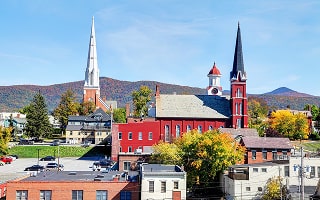
The Vermont housing market is shaped by low inventory, rising construction costs, and strong buyer demand, all of which support elevated prices. With stiff buyer competition and just 3 months of supply, affordability remains a problem in some of the state's local property markets.
As of October 2025, the median home sale price in Vermont was $434,200, slightly lower than the national median of $439,917. Vermont also offers investors more affordable real estate than all three of its border states (Massachusetts, New Hampshire, and New York).
Though seasonal trends and local markets dictate how quickly homes sell, the median days on market (DOM) for the typical home in Vermont was around 60 days, considerably slower than busier Northeast markets like Massachusetts and New York.
Despite a slower pace of home sales, demand continues to exceed supply, giving sellers a slight edge in the Green Mountain State. As the number of homes for sale continues to increase, the market is gradually shifting toward more balanced territory. While steady construction activity roughly in line with the national rate has supported some additional supply in the state, labor shortages continue to limit new construction growth.
Property taxes in Vermont are a key cost driver of homeownership, detracting from affordability. With an average effective rate of 1.71%, Vermont is the fifth most expensive state, sitting squarely between New Hampshire (1.77%) and New York (1.60%).
Vermont remains one of the most stable housing markets in the nation, with a low unemployment rate (2.5%) and strong homeowner equity keeping foreclosures to a minimum. According to ATTOM Data, Vermont saw just one foreclosure for every 17,741 housing units. Meanwhile, neighbors like Massachusetts and New York saw significantly more foreclosure activity, with rates of 1 in every 5,101 and 1 in every 4,765, respectively.
Which Areas in Vermont Offer the Best Return on Investment and Are Easiest for Residential Property Development?

With a strong tourism industry and picturesque landscapes, Vermont remains one of the top real estate investment destinations in the United States. Beyond its unique appeal, the state's housing market remains competitive with promising potential for continued growth. For investors seeking long-term appreciation or cash flows, Vermont may be a solid option, particularly in markets with outdoor amenities and rapid job growth.
Each local housing market in Vermont presents real estate investors with unique benefits, from cultural attractions and a vibrant economy to a more flexible regulatory environment or strong year-round rental demand. Some of the top places for residential property development in the state include the following:
-
Burlington: With a population of around 45,000, Burlington is Vermont's largest city. Its diverse economy, which spans sectors like tech, education, and healthcare, drives strong rental demand.
-
Rutland: Industries like manufacturing, healthcare, and tourism contribute significantly to Rutland's local job market, offering long-term investors the prospect of stable, reliable rental returns. With a median sale price of $244,000, this historic city also boasts one of the most affordable real estate markets in the state.
-
Montpelier: Vermont's capital city has a diverse economy that's largely driven by government, education, and healthcare. The city is also known for its vibrant art scene, which includes attractions like the T.W. Wood Art Gallery and the Montpelier City Hall Arts Center. These benefits make Montpelier a promising market for rental investors looking to capitalize on cash flow opportunities.
-
Stowe: This town is a sought-after destination for outdoor activities, including hiking, skiing, and mountain biking, creating a favorable market for investors looking to earn short-term or vacation rental income.
-
South Burlington: South Burlington's extensive infrastructure investments continue to drive property value growth. In addition, it hosts several major annual events, like the Vermont Balloon and Music Festival and the South Burlington Summer Concert series, drawing thousands of visitors and making the city a hot spot for short-term rental investments.
-
Colchester: Colchester's proximity to Burlington offers prospective investors a steady tenant base, including students and professionals, and average rents of around $2,400 per month.
-
Jericho: Jericho's limited inventory and consistent housing demand keeps its vacancy rate low. The robust rental market also creates opportunities for real estate investors looking for steady tenant demand.
-
Norwich: Located just across the river from Dartmouth College, Norwich capitalizes on university-adjacent opportunities and rental demand from students and faculty.
-
Essex Junction: With a robust rental market and proximity to major employment centers in nearby Burlington, Essex Junction continues to generate strong rental demand.
What Home Styles, Sizes, and Features Tend to Sell Fastest in the Vermont Market?

In Vermont, the typical home takes around 60 days to sell. While pricing, location, and the time of year can affect how long a property spends on the market, certain factors or features can help accelerate home sales and generate more interest. In Vermont, homes with the following features tend to sell the fastest:
-
![]()
Bedrooms: 3- and 4-bedroom homes with at least 2 bathrooms tend to sell faster than others because they're often in high demand by families, which is typically the largest homebuyer group. These homes are popular in family-friendly suburbs, offering adequate living spaces and relatively easy maintenance. Vermont homes with 3-4 bedrooms and at least 2 bathrooms are in high demand in Essex Junction, Burlington, Colchester, and Williston.
-
![]()
Size and Lot: Mid-sized homes measuring between 1,500-2,500 square feet on lots ranging from 0.25-0.5 acres tend to move more quickly in Vermont. They're typically sought after in areas like Montpelier, where compact properties with easy-to-manage lots are in high demand, and in Rutland, where most retirees and families seek lower-maintenance living. Similarly, in Milton and Stowe, mid-sized, affordable homes on manageable lots are in high demand from commuters and vacation buyers.
-
![]()
Style: In terms of architectural style, some of the fastest-selling homes in Vermont are Colonials, Cape Cods, and Craftsman homes.
-
Colonial Home Styles: These classic New England styles are highly desirable to families and are often available with 3-4 bedrooms. They're popular in places like Colchester, Essex Junction, and Williston, where traditional Colonials are in high demand from commuters and families.
-
Cape Cod Home Styles: These appeal to many retirees and first-time homebuyers because they're usually simple, smaller, and space-efficient. They tend to sell faster in Vermont municipalities like Barre, Burlington, Milton, and Rutland.
-
Craftsman Home Styles: These home styles are in high demand from individuals looking for authenticity and charm. With their classic curb appeal and distinctive porches and woodwork, Craftsman homes tend to move fast in areas such as Stowe, Burlington, Bennington, Montpelier, and Brattleboro.
-
-
![]()
Modern Upgrades: Modern features like updated bathrooms, open-concept kitchens, energy-efficient heating and appliances, solar panels, EV charging, and heated mudrooms tend to drive faster home sales in Vermont. Other key characteristics include attached garages, usable basements, and newer roofs with good ice and snow management. For instance, updated bathrooms and kitchens make homes sell more quickly in South Burlington, while demand remains high for modernized, move-in-ready homes among professionals and young buyers in Burlington. In Williston, homes with energy-efficient appliances are in high demand by many families seeking more sustainable living.


What Should Home Sellers Know About Zoning Laws, Permits, and Regulatory Requirements in Vermont?

To maximize property value and avoid potential deal-breakers or legal issues, Vermont home sellers need to stay aware of local zoning laws, permitting processes, and regulatory requirements. Before undertaking a new project or making any additions to an existing structure, investors should establish a basic understanding of these regulations and processes in the jurisdiction of the subject property.
As required by state law, home sellers must disclose detailed information about the condition of a property to potential buyers, typically known as a Seller's Property Information Report. In addition, Vermont homebuyers often request zoning compliance certifications during the due diligence process, which can verify that a property complies with local zoning regulations and is free from open violations. Where a letter states otherwise, a potential buyer is likely to back out of a real estate transaction or renegotiate.
Throughout the state, different areas tend to be more or less development friendly. The breakdown below highlights which areas are typically more strict in their regulation of housing, and which ones offer more flexibility.
-
Areas with strict zoning laws: Municipalities with strict zoning laws in Vermont are generally known for tight controls on land use, density, and lot size, which are aimed at preventing overdevelopment and preserving rural character. For instance, in Manchester, residential and commercial zones are carefully regulated, while in Dorset, strict density and land conservation zoning can limit development.
Woodstock and Shelburne also have some restrictive development codes. Investors in these areas should expect limits on commercial-residential mixes and increased administrative requirements. In addition, detailed site plans and environmental reviews may be required in some neighborhoods with strict zoning laws, especially when located near environmentally protected areas or historic districts.
-
Areas with less bureaucratic zoning laws: Development in these areas is usually easier due to more flexible zoning and fewer regulatory hurdles. Permitting is generally faster, and the rules are more flexible for housing conversions and other major projects. In Vermont, less bureaucratic areas include Barre, where lenient zoning encourages revitalization, and Newport, where flexible housing projects are supported to boost affordability.
Rutland is also known for easier permitting processes that allow for redevelopment of older housing stock, which attracts real estate investors. As an added benefit, investors in these areas often emphasize redevelopment potential and affordability when marketing.
-
Areas requiring a special permit: These municipalities in Vermont often require special permits for conditional uses, variances, and certain projects that don't fit by-right zoning. They include Essex Junction, where conditional use permits via zoning board review are required for many building projects; South Burlington, which requires special hearings for several types of commercial or multifamily projects; and Middlebury, where public hearings are usually held for large-scale housing projects.
Properties in these areas typically appeal to buyers who appreciate historic charm. However, developers must demonstrate strong alignment with the municipality's character to win approval.
-
Areas requiring a Certificate of Occupancy (CO) before legal occupation: While a CO may be needed before legal occupation in most parts of Vermont, it's typically enforced more rigidly in urban areas or regional hubs. For example, a CO is required to finalize legal occupancy in South Burlington, while all major remodels and new builds in Burlington require a CO. Similarly, CO requirements are enforced in areas like Winooski and Essex Junction. While a new CO is typically not required for routine sales of existing homes, sellers should verify local rules in these areas before listing a property for sale.
-
Areas requiring the approval of a historic commission: The architectural heritage in these areas is preserved by local historic preservation commissions or design review boards. Exterior renovations, material changes, or additions often require sign-off from the commission or board.
In Vermont, such areas include Stowe, where historic appearance is tightly regulated; Woodstock, which requires approval for almost all visible exterior changes; and Bennington, where the Historic Preservation Commission must approve renovations to properties in historic zones. Homes in these areas generally retain higher values, indicating higher potential ROI for investors. However, developers should budget extra costs for traditional materials and expect longer approval timelines.
Which Towns or Cities in Vermont Are Easiest, and Hardest, When It Comes to Navigating Real Estate Regulations?

The legality of real estate development and flipping in Vermont hinges on compliance with certain regulatory provisions. Real estate investment is generally characterized by its potential to maximize property value and generate outsized returns. However, understanding the legal framework of a local real estate market, and complying with its regulations, are key factors to maximizing property value and avoiding potential issues in the state.
The regulatory climate in each area of Vermont can vary widely, requiring investors and sellers to adapt to local laws. These regulatory climates may be more or less friendly to investors, as outlined below.
Development-Friendly Areas
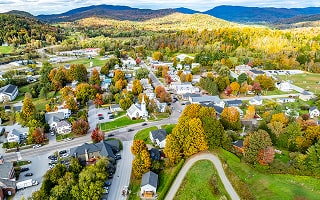
In these areas, zoning laws are generally fewer in number and more flexible. This encourages development and investment, particularly in less-regulated rural zones. In Vermont, such areas include Cambridge, Roxbury, Waterville, and Eden, where zoning is limited. Fewer local restrictions in these municipalities make it easier for investors to initiate projects like tiny homes, new builds, or accessory dwelling units (ADUs) with minimal red tape.
Moderately Regulated Areas
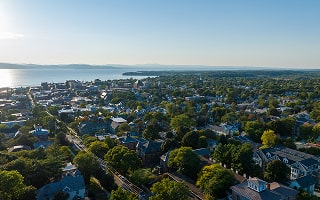
Although these municipalities have some zoning laws and permitting requirements, they're typically reasonable and clear, with manageable oversight. In other words, there's a balance between protecting community character and encouraging housing development. For instance, Burlington recently enacted a new Neighborhood Code to enable more housing diversity, including small multiunit buildings and duplexes, all under relaxed residential zoning.
Similarly, Charlotte, Waterbury, and Shelburne were selected for Bylaw Modernization Grants, enabling them to rework zoning and allow more housing types. Developers in these areas are benefiting from streamlined approvals and fewer barriers to mixed-use projects or infill, while future-density potential is a valuable selling point for existing owners.
Highly Restrictive or Bureaucratic Areas

These areas are known for their detailed bylaws, strict local zoning laws, and heavy oversight, making housing development more complex. Investors should expect public hearings, multistep permitting processes, potential design constraints, and longer timelines, especially for projects that challenge the status quo.
In Vermont, municipalities like Middlebury have some of the most detailed zoning and design controls. Similarly, Chester paused proposed zoning changes in the thick of intense rural development debates in late 2024, signaling strong real estate regulatory control.
Regulatory Climate Factors

The real estate regulatory climate in Vermont can differ by city, town, and metro. It determines how difficult or easy it is to develop new builds, renovate existing properties, or flip houses in each neighborhood.
The table below can help investors understand the impact of major real estate regulatory factors on housing development in Vermont, noting the municipalities where each factor is commonly found:
| Factor | Impact on Development | Where It's Found |
|---|---|---|
Zoning Flexibility |
Determines ease of land use |
Rutland, Burlington, Barre, Springfield, Winooski, Montpelier, Vergennes, Middlebury, and Brattleboro |
Historic Preservation Laws |
Adds restrictions |
Bennington, Burlington (Downtown and Gill Section), Montpelier, Woodstock, Windsor, Rutland (historic downtown), and St. Johnsbury |
Wetlands/Conservation |
Limits buildable land |
Shelburne, Middlebury, Hartford, Colchester, Norwich, Milton, Williston, Essex Junction, Stowe, and South Burlington |
Inclusionary Zoning |
Requires affordable units |
Essex Junction, Rutland, Barre, South Burlington, Montpelier, St. Albans, Williston, and Winooski |
Building Code Enforcement |
Affects cost/speed |
Brattleboro, Hartford, Rutland, Burlington, Bennington, and Colchester |
Local Politics/NIMBYism* |
Blocks or delays projects |
Stowe, Woodstock, Manchester, Charlotte, Middlebury, Burlington (usually for larger projects), and Shelburne |
*NIMBYism - Not in My Backyard
What Are the Most Effective Flipping and Resale Strategies for Maximizing Profit in Vermont's Housing Market?

House flipping is the process of buying residential properties, renovating them, and reselling them to make a healthy profit margin. With its unique market conditions and stable rise in home values, Vermont offers investors many opportunities to flip properties using a variety of different strategies.
Before investing in Vermont flips, it's important to understand the local market dynamics. In doing so, you can determine the best flipping and resale strategies for each local housing market, several of which are outlined below:
-
![]()
Target Distressed or Foreclosed Homes: This involves buying distressed residential properties, such as older stock, short sales, and foreclosures, at deep discounts, with the aim of renovating and reselling them. Municipalities in Vermont where these homes are more common include Barre, Springfield, Rutland, Bennington, and St. Johnsbury.
-
![]()
Use the 70% Rule [Maximum Offer = (ARV x 70%) - Repair Costs]: This approach is most effective in Vermont's mid-sized housing markets with stable resale demand, such as Essex Junction, Williston, South Burlington, Burlington, and Colchester. It involves offering no more than 70% of the home's after-repair value (ARV) minus renovation costs, leaving room for a healthy profit margin.
-
![]()
Try Wholetailing for Speed: Wholetailing works well in fast-moving markets with limited inventory. It involves purchasing well-maintained properties and making minor cosmetic fixes before reselling them quickly. Local housing markets with low inventory and high demand include Middlebury, Stowe, Burlington, and Montpelier.
-
![]()
Build Strong Deal Pipelines with Lead Gen: This strategy focuses on generating motivated seller leads through networking with agents or wholesalers and direct-to-seller marketing. It works best in Vermont housing markets with growing competition, including Montpelier, Rutland, Bennington, Brattleboro, and Burlington.
-
![]()
Renovate with Quality, Don't Cut Corners: In Vermont's higher-end housing markets, where homebuyers demand quality, flippers should focus on high-quality materials and workmanship. Such areas include Manchester, Middlebury, Stowe, Woodstock, and Shelburne.
-
![]()
Follow the BRRRR Method (Buy, Rehab, Rent, Refinance, Repeat): This flipping strategy is most effective in municipalities with high rental demand, such as Barre, Burlington, Rutland, and St. Albans. Using this strategy, flippers build a rental portfolio by buying, renovating, and securing tenants, then refinancing to pull out equity and fund the next deal.
-
![]()
Try Micro-Flipping (Digital Wholesaling): This strategy works by using online real estate platforms to get residential properties under contract and flip them to investors or end users. In Vermont, micro-flipping works well in housing markets with steady buyer demand and high investor activity, such as Brattleboro, Burlington, Rutland, and Montpelier.
-
![]()
Go Beyond Cosmetic Work (Value-Add Flipping): In areas where zoning is more permissive and flexible, value-add flipping can significantly increase ARV by adding square footage, converting single-family homes to multifamily units, or building ADUs. It often works best in areas like Williston, Stowe, Essex Junction, and Colchester, where zoning permits expansion and ARVs justify pricing.
-
![]()
Leverage Auction and Off-Market Buying Strategies: This flipping strategy is useful in municipalities with frequent tax sales and higher volumes of distressed homes, including Bennington, Barre, Springfield, and Rutland. It involves acquiring homes at deep discounts through direct-to-seller deals, tax sales, or online auctions.
-
![]()
Target FHA 203(k) Buyers: This involves marketing flips to FHA 203(k) buyers, who finance both the purchase and renovation costs of a home in a single loan. Since these buyers have additional funds for repairs built into their budgets, investors can save time and money on renovations. In Vermont, the strategy tends to work well in markets with many first-time buyers, such as Bennington, St. Albans, Barre, and Springfield.
-
![]()
Stage and Price Strategically: Staging is proven to increase sales prices and selling speed, helping investors generate higher profits. The strategy is most effective in Vermont's competitive housing markets like Essex Junction, Shelburne, Burlington, Williston, and South Burlington, where smart pricing and tasteful staging can help homes stand out.


How Should Sellers Price Their Homes to Attract Buyers While Maximizing Value in Vermont?

Before setting home prices, sellers should analyze current market conditions. Hiring a local real estate agent or certified appraiser to review active listings and recent sales can help sellers set a competitive price that typically reflects current demand.
The following pricing strategies are some of the most effective options for sellers, with each including the areas in Vermont where they may work especially well.
-
![]() Pricing Just Below Below Market Thresholds: This pricing strategy can help attract the attention of buyers searching for homes under certain price thresholds. For instance, listing a property at $299,900 instead of $300,000 will drive more views from buyers seeking homes under $300,000. The strategy works well in Vermont municipalities like Williston, a fast-growing suburb; Burlington, a competitive urban market; and other areas like South Burlington, Essex Junction, and Colchester.
Pricing Just Below Below Market Thresholds: This pricing strategy can help attract the attention of buyers searching for homes under certain price thresholds. For instance, listing a property at $299,900 instead of $300,000 will drive more views from buyers seeking homes under $300,000. The strategy works well in Vermont municipalities like Williston, a fast-growing suburb; Burlington, a competitive urban market; and other areas like South Burlington, Essex Junction, and Colchester.
-
![]() Charm Pricing (Psychological Pricing): This involves listing a home using odd-numbered endings like 99 or 95. For example, listing a property at $349,999 instead of $350,000 makes it appear more affordable. Investors in Middlebury may adopt this strategy to move college rental homes more quickly, while sellers in Barre may find it useful for entry-level homes. The strategy is also effective in slower-moving rural markets like Bennington, and in markets with a large pool of first-time buyers, such as Brattleboro.
Charm Pricing (Psychological Pricing): This involves listing a home using odd-numbered endings like 99 or 95. For example, listing a property at $349,999 instead of $350,000 makes it appear more affordable. Investors in Middlebury may adopt this strategy to move college rental homes more quickly, while sellers in Barre may find it useful for entry-level homes. The strategy is also effective in slower-moving rural markets like Bennington, and in markets with a large pool of first-time buyers, such as Brattleboro.
-
![]() Pricing to Create a Bidding War: Those operating in seller's markets and areas with higher-budget buyers may set prices slightly below market value to generate multiple offers from potential buyers. This strategy may be effective in Shelburne and Woodstock, where underpriced homes and stiff competition generally drive quick offers. Furthermore, it may be used in Stowe, where vacation homes priced 4%-5% under market value appeal to out-of-state cash buyers, and in Montpelier, where underpricing triggers competitive bids due to low inventory.
Pricing to Create a Bidding War: Those operating in seller's markets and areas with higher-budget buyers may set prices slightly below market value to generate multiple offers from potential buyers. This strategy may be effective in Shelburne and Woodstock, where underpriced homes and stiff competition generally drive quick offers. Furthermore, it may be used in Stowe, where vacation homes priced 4%-5% under market value appeal to out-of-state cash buyers, and in Montpelier, where underpricing triggers competitive bids due to low inventory.
-
![]() High-Anchor Pricing (Test the Waters): This generally requires pricing a property at its upper limit to gauge buyer interest, leaving room for negotiation and price reductions (if necessary). High-anchor pricing is generally reserved for use in luxury markets like Stowe to test second-home demand from New York and Boston-based buyers, and for Burlington lakefront properties, which often fetch premium prices. In resort towns like Killington, sellers may also use this pricing strategy, particularly just before ski season.
High-Anchor Pricing (Test the Waters): This generally requires pricing a property at its upper limit to gauge buyer interest, leaving room for negotiation and price reductions (if necessary). High-anchor pricing is generally reserved for use in luxury markets like Stowe to test second-home demand from New York and Boston-based buyers, and for Burlington lakefront properties, which often fetch premium prices. In resort towns like Killington, sellers may also use this pricing strategy, particularly just before ski season.
-
![]() Price-Per-Square-Foot Benchmarking: This method involves pricing a home based on the price per square foot relative to comps in the same or surrounding local housing markets. Sellers may adopt this strategy in markets like Rutland, where home sellers benchmark multifamily prices per square foot to attract potential buyers; South Burlington, where condos are priced around a specific range per square foot; and Williston, where new builds are marketed to potential buyers by prices per square foot against comps in Burlington.
Price-Per-Square-Foot Benchmarking: This method involves pricing a home based on the price per square foot relative to comps in the same or surrounding local housing markets. Sellers may adopt this strategy in markets like Rutland, where home sellers benchmark multifamily prices per square foot to attract potential buyers; South Burlington, where condos are priced around a specific range per square foot; and Williston, where new builds are marketed to potential buyers by prices per square foot against comps in Burlington.
-
![]() Appraisal-Backed Pricing: This strategy involves setting a home price based on the estimated appraisal value, and is particularly effective in markets with many VA or FHA buyers. Home sellers may adopt this method in Barre, where appraisals drive approvals for government-backed loans, and in Bennington, where rural financing largely depends on appraisal-backed listings. Other municipalities where this strategy may be effective include Rutland, Brattleboro, and Middlebury.
Appraisal-Backed Pricing: This strategy involves setting a home price based on the estimated appraisal value, and is particularly effective in markets with many VA or FHA buyers. Home sellers may adopt this method in Barre, where appraisals drive approvals for government-backed loans, and in Bennington, where rural financing largely depends on appraisal-backed listings. Other municipalities where this strategy may be effective include Rutland, Brattleboro, and Middlebury.
-
![]() Urgency Pricing (Motivated Seller Strategy): This strategy involves pricing a property aggressively low to drive quick sales, and is often used in divorce, relocation, and pre-foreclosure situations. In Vermont, this pricing strategy can also help sell a home quickly in slower housing markets like Rutland. It's also common in areas with more distressed listings or estate sales, such as Bennington, as well as in other areas like Springfield, Barre, and Brattleboro.
Urgency Pricing (Motivated Seller Strategy): This strategy involves pricing a property aggressively low to drive quick sales, and is often used in divorce, relocation, and pre-foreclosure situations. In Vermont, this pricing strategy can also help sell a home quickly in slower housing markets like Rutland. It's also common in areas with more distressed listings or estate sales, such as Bennington, as well as in other areas like Springfield, Barre, and Brattleboro.


The table below can help Vermont home sellers determine the best pricing method to adopt based on current local market conditions:
| Market Condition | Best Strategy |
|---|---|
Seller's Market |
Underpricing for a bidding war |
Buyer's Market |
Charm pricing or net-to-seller |
Unique, luxury home |
High-anchor + value justification |
Entry-level home |
Just below threshold |
Urgent sale needed |
Aggressive urgency pricing |
Flipper or investor listing |
Appraisal-backed or price-per-square-foot |
Which Key Economic, Social, and Regulatory Factors Are Driving Current Trends in Vermont's Local Property Markets?

Several factors contribute to the current state of Vermont's local property markets. The most significant factors influencing real estate supply, demand, and price include:
![]() Economic Factors
Economic Factors
 Economic Factors
Anchored by sectors like agriculture, tech, and tourism, Vermont's modest but steady economy continues to drive demand in the state's local property markets. Areas with stronger job markets, like Burlington, Montpelier, and South Burlington, generally attract more buyers, contributing to elevated prices. On the other hand, areas with slower economies in the state may witness lower housing demand and sluggish prices.
![]() Demographic and Social Factors
Demographic and Social Factors
 Demographic and Social Factors
Lifestyle shifts, population trends, migration trends, age distribution, and remote work are all shaping housing demand in Vermont. For instance, many remote workers and young families are driving housing demand in municipalities with good schools and broadband access, such as Bennington, Middlebury, and Essex Junction. On the other hand, retirees are generally supporting demand in smaller, peaceful towns with healthcare access, like Woodstock and Stowe.
![]() Regulatory and Legal Framework
Regulatory and Legal Framework
 Regulatory and Legal Framework
Vermont has strict land use controls under Act 250, which is largely responsible for supply shortages in many high-demand areas. Permitting, zoning, and land use laws typically determine where and how development happens in the state. For example, tight zoning keeps housing supply constrained in Burlington, while zoning rules in Norwich limit density.
![]() Taxation and Fiscal Policy
Taxation and Fiscal Policy
 Taxation and Fiscal Policy
Vermont is known for relatively high property taxes, which generally affect housing affordability across most municipalities. While high property taxes often discourage homebuyers, strong schools, which are funded by such taxes, can appeal to families. For instance, in Essex Junction, balanced tax rates and good schools continue to attract family buyers, while tax rates and proximity to job markets sustain housing demand in St. Albans.
![]() Housing Policy and Government Programs
Housing Policy and Government Programs
 Housing Policy and Government Programs
Affordable housing is being boosted in the state through programs like Vermont Housing and Conservation Board initiatives. Such programs can help make rental homes more available, support workforce housing supply, and encourage green building (via energy efficiency incentives). For instance, while Barre receives state-backed housing grants to promote affordable housing, Winooski and Brattleboro continue to benefit from major affordable housing projects.
![]() Infrastructure and Development Trends
Infrastructure and Development Trends
 Infrastructure and Development Trends
Infrastructure developments like transportation, renewable energy, and broadband access continue to drive housing demand and shape where people want to live in Vermont. Areas with better and more modern infrastructure in the state generally attract commuters, families, and remote workers. For example, broadband projects and interstate access are major factors that continue to draw families to Randolph and Williston, while transportation access keeps housing demand steady in Middlebury. Similarly, the tourism infrastructure in Stowe is boosting second-home demand in the town.
Vermont continues to witness steady demand for housing, as well as home price increases. Despite active homebuilding and an increase in the number of existing homes for sale, Vermont struggles to keep up with supply, sustaining a seller's market in 2025.
Housing market trends in the state are generally influenced by economic factors, like its low unemployment rate, along with demographic factors, social trends, tax policies, government programs, local real estate regulations, and infrastructural developments.
Before buying or selling, investors and developers in Vermont must understand the regulatory and legal framework in each local housing market. Since Act 250 and other laws make Vermont municipalities among the more difficult to navigate, working with an experienced local real estate agent or attorney is highly recommended.
Table of Contents
- Vermont Home Selling
- Which Areas in Vermont Offer the Best Return on Investment and Are Easiest for Residential Property Development?
- What Home Styles, Sizes, and Features Tend to Sell Fastest in the Vermont Market?
- What Should Home Sellers Know About Zoning Laws, Permits, and Regulatory Requirements in Vermont?
- Which Towns or Cities in Vermont Are Easiest, and Hardest, When It Comes to Navigating Real Estate Regulations?
- What Are the Most Effective Flipping and Resale Strategies for Maximizing Profit in Vermont's Housing Market?
- How Should Sellers Price Their Homes to Attract Buyers While Maximizing Value in Vermont?
- Which Key Economic, Social, and Regulatory Factors Are Driving Current Trends in Vermont's Local Property Markets?